
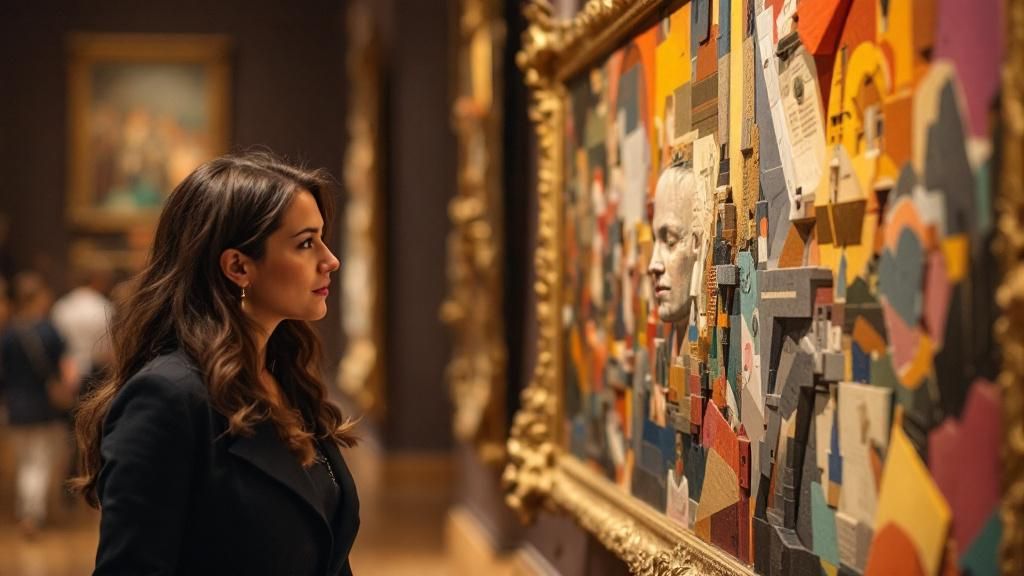
The British Museum has revealed an ambitious new initiative to protect modern art collections for posterity. In a significant commitment to contemporary art preservation, the museum has confirmed significant financial support for cutting-edge preservation initiatives intended to overcome the unique challenges created by modern artistic materials and methods. This calculated allocation emphasises the museum’s recognition that modern artworks need expert attention and skill, making certain that today’s creative expressions continue undamaged and accessible for decades to come.
Growing Conservation Skills
The British Museum’s funding allocation marks a transformative step in creating premier conservation capabilities precisely designed to current creative practices. By setting up specialist research facilities and recruiting leading specialists in current materials research, the institution intends to build a comprehensive knowledge base addressing the distinctive conservation demands presented by modern artistic creations. This expansion will permit conservators to employ innovative approaches whilst maintaining exacting professional guidelines, confirming that creative modern methods are protected with the identical careful attention traditionally afforded to heritage objects and antiquities.
Central to this initiative is the engagement of highly proficient conservators with specialisation in emerging artistic disciplines and innovative materials. The museum acknowledges that modern creators frequently experiment with plastics, synthetic compounds, digital components, and mixed media that present unprecedented conservation dilemmas. By assembling a diverse team of specialists, the British Museum will become a leading authority in contemporary art preservation, attracting talented professionals from across the globe and building collaborative partnerships with other renowned organisations committed to preserving modern cultural heritage.
Furthermore, the programme includes extensive training programmes designed to cultivate the next generation of conservation experts. Through apprenticeships, internships, and advanced educational partnerships with universities, the British Museum will ensure that contemporary art conservation expertise stays current and progressive. This dedication to staff advancement ensures that future conservators possess the specialised knowledge needed to manage new conservation issues, ultimately enhancing the museum’s ability to preserve and care for contemporary artworks for the foreseeable future.
Key Programmes and Funding Allocation
The British Museum’s financial support demonstrates a transformative approach to contemporary art conservation, with allocated resources directed towards creating cutting-edge facilities and appointing specialist staff. This planned resource allocation prioritises study of innovative preservation methodologies, addressing the distinctive challenges posed by current material types including digital formats, artificial polymers, and multimedia works. The financial framework guarantees sustainable, long-term development of preservation expertise whilst maintaining the museum’s focus on community involvement and educational outreach programmes.
Partnership Development
Collaborative partnerships constitute the cornerstone of the British Museum’s conservation framework, promoting expertise transfer with major international bodies and research hubs. Through strategic alliances with universities and specialist conservation organisations, the museum enhances its technical expertise and engagement with new technological developments. These partnerships enable cross-institutional training programmes, permitting conservators to acquire expert-level capabilities in conserving modern art. The cooperative model bolsters the wider conservation field, establishing uniform conservation practices across museums globally whilst guaranteeing the British Museum stays at the leading edge of contemporary art preservation.
The museum has created formal agreements with prominent research facilities and university departments, fostering robust networks for exchanging research findings and methodological innovations. These collaborations go further than traditional museum boundaries, including working relationships with artists, technology specialists, and materials researchers. Such cross-disciplinary teamwork guarantees preservation methods remain responsive to evolving artistic practices and emerging material challenges. The collaborations also facilitate availability of advanced tools and specialist knowledge not formerly accessible within individual institutions, significantly enhancing conservation capacity and capability.
- Joint research projects with prominent academic institutions and conservation organisations
- Collaborative knowledge agreements with international museums and heritage organisations
- Training programmes established collaboratively with expert conservation practitioners
- Technology partnerships with digital preservation and preservation experts
- Artist involvement initiatives securing contemporary perspectives guide conservation methodology
The partnership model reflects the museum’s commitment to establishing sustainable conservation systems supporting the entire heritage sector. By cultivating partnership connections, the British Museum supports creating a wide-ranging support network for contemporary art preservation. These partnerships produce important research results, published widely within scholarly and industry circles, advancing conservation science. The collaborative approach guarantees resources are utilised efficiently whilst increasing constructive results among diverse institutions and areas.
Emerging Influence and Sector Direction
The British Museum’s funding of contemporary art conservation sets a novel precedent for heritage organisations within the United Kingdom and beyond. By introducing cutting-edge conservation techniques, the museum positions itself as a key voice in addressing the shifting intricacies of modern artistic materials. This dedication will undoubtedly impact how fellow museums handle their own preservation methods, fostering a joint methodology to safeguarding current pieces that goes beyond established sectoral divides and facilitates expertise transfer within the cultural field.
The programme’s knock-on consequences will permeate the worldwide preservation field, establishing standards in optimal approaches in handling current art forms. The British Museum’s specialist skills and funding will permit smaller institutions and emerging museums to gain from collaborative knowledge exchange and specialist advice. In addition, this undertaking demonstrates that investment in conservation infrastructure yields considerable gains, well beyond simply art conservation but also in strengthening organisational standing and securing both financial support and skilled experts dedicated to current art preservation.
Looking ahead, the British Museum’s investment is set to revolutionise how society values and protects present-day artistic output. By creating strong conservation frameworks now, the institution guarantees that future generations will be left with a thorough documentation of contemporary creative achievement. This future-focused approach strengthens the museum’s purpose as keeper of civilisation’s cultural treasures, whilst simultaneously inspiring a wider dialogue about our shared obligation to safeguard the artistic legacy that characterises our modern age.
